
15 Reasons You Shouldn’t Trust Online Reviews
This post may contain affiliate links that earn me a small commission, at no cost to you. As always, I only recommend links I personally use and love!
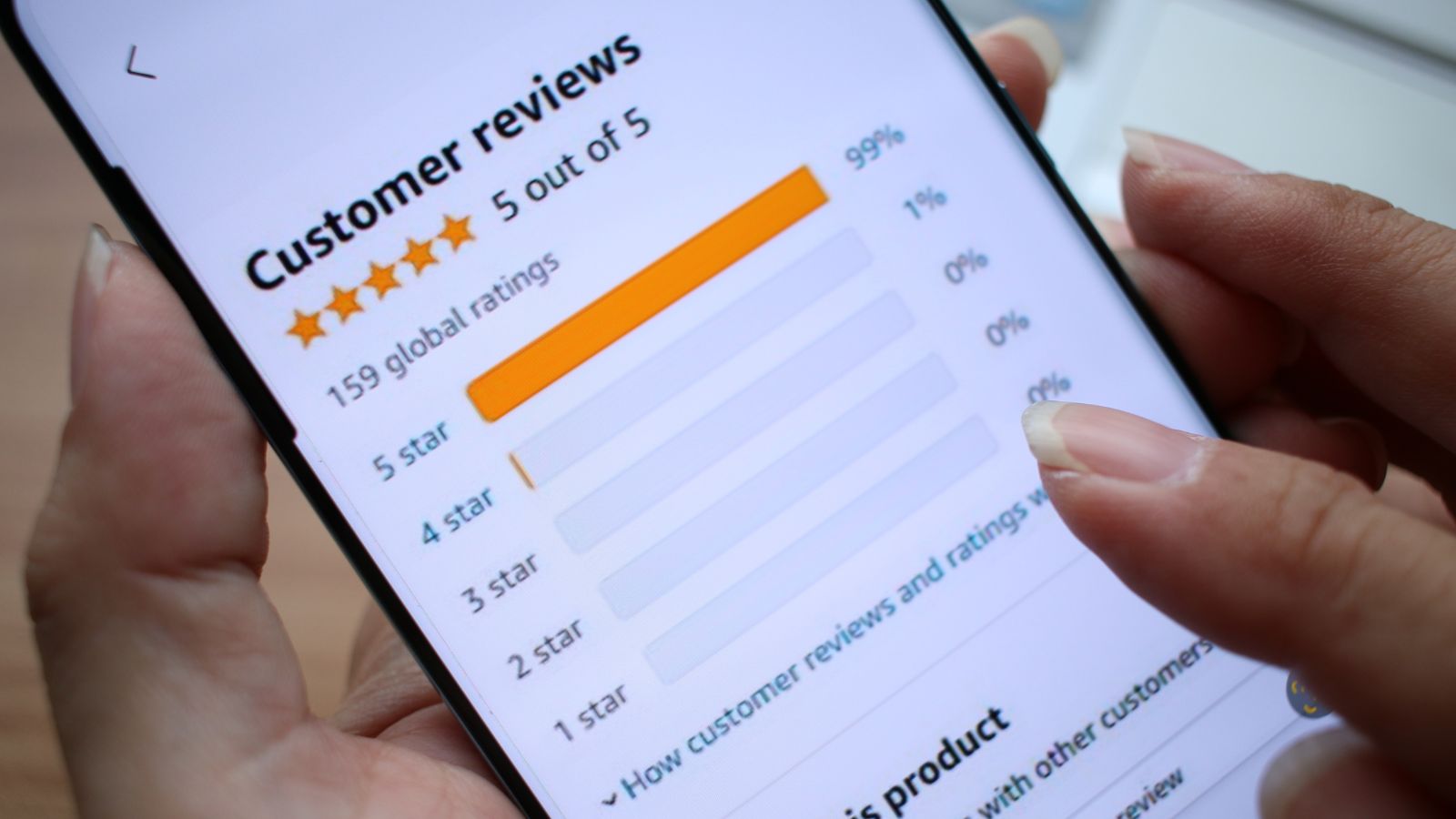
In today’s internet age, online reviews have become a go-to source for consumers looking to make informed decisions about products, services, and businesses. However, while these reviews can be helpful, they should also be taken with a grain of salt. Not all online reviews are reliable or trustworthy, and relying too heavily on them can lead to disappointment or even deception. Let’s explore 15 reasons why you shouldn’t trust online reviews blindly.
Fake Reviews Are Common

One of the biggest reasons to be cautious of online reviews is that fake reviews are surprisingly common. Some businesses may pay for positive reviews or even write them themselves, while disgruntled customers or competitors may leave false negative reviews. In fact, studies have found that up to 30% of online reviews may be fake, so it’s important to approach them with a critical eye.
Reviews Can Be Biased

Even when reviews are genuine, they can still be biased. People are more likely to leave a review when they have a particularly positive or negative experience, so the reviews you see may not be representative of the average customer experience. Additionally, people’s personal preferences and expectations can color their reviews, so what works for one person may not work for another.
Reviewers May Have Different Standards

Everyone has different standards and expectations when it comes to products and services. What one person considers a minor flaw, another may see as a dealbreaker. This means that even genuine reviews may not be relevant to your own needs and preferences. It’s important to consider the context of each review and whether the reviewer’s priorities align with your own.
Reviews Can Be Outdated

Businesses and products can change over time, so old reviews may no longer be relevant. A restaurant that had poor service a year ago may have made significant improvements since then, while a product that was once high-quality may have suffered from cost-cutting measures. It’s important to look at the date of each review and consider whether it’s still likely to be accurate.
Incentivized Reviews Can Be Misleading

Some businesses offer incentives for customers to leave reviews, such as discounts or free products. While this can encourage more people to share their experiences, it can also lead to biased or misleading reviews. Customers who receive an incentive may feel pressured to leave a positive review, even if their experience was mediocre or they haven’t actually used the product or service.
Negative Reviews Can Be Removed

In some cases, businesses may be able to have negative reviews removed from review sites, either by flagging them as inappropriate or by taking legal action. This means that the reviews you see may not tell the whole story, and there may be legitimate complaints that have been swept under the rug. It’s important to look for patterns in the reviews and be wary of businesses with suspiciously high ratings.
Reviews Can Be Manipulated by Algorithms

Many review sites use algorithms to determine which reviews are shown most prominently, and these algorithms can be manipulated. For example, a business may encourage customers to use certain keywords in their reviews to improve their search rankings, or they may selectively respond to positive reviews to make them more visible. This means that the reviews you see first may not be the most helpful or representative.
Reviewers May Have Different Needs

Just because a product or service works well for one person doesn’t mean it will work well for everyone. Reviewers may have different needs, preferences, or circumstances that affect their experience. For example, a hotel that’s great for families may not be ideal for solo travelers, while a product that works well for people with certain allergies may not be suitable for everyone.
Reviews Can Be Influenced by Emotions

People are more likely to leave a review when they feel strongly about something, whether that’s a positive or negative emotion. This means that reviews can be influenced by factors like a particularly good or bad customer service experience, rather than the overall quality of the product or service. It’s important to look for patterns in the reviews and not put too much weight on individual emotional responses.
Fake Accounts Can Skew Reviews

Some people create fake accounts specifically to leave reviews, either to boost their own business or to harm a competitor. These fake accounts can be difficult to spot, but they can skew the overall rating and make a business seem better or worse than it actually is. It’s important to look for red flags, such as a large number of reviews from accounts with no other activity or history.
Language Barriers Can Affect Reviews

If you’re looking at reviews for a business or product in a foreign country, language barriers can affect the accuracy and relevance of the reviews. Reviewers may have difficulty expressing themselves clearly in a language that’s not their own, or there may be cultural differences that affect their expectations and experiences. It’s important to keep this in mind when relying on reviews from people in different countries or cultures.
Sponsored Reviews May Not Be Impartial

Some businesses pay influencers or bloggers to review their products or services, and these sponsored reviews may not be entirely impartial. While the reviewer may disclose that they were compensated, they may still feel pressure to give a positive review or gloss over any negative aspects. It’s important to look for unbiased reviews from people who have actually used the product or service themselves.
Reviews Can Be Taken Out of Context

When looking at reviews, it’s important to consider the context in which they were written. A negative review from someone who had a one-time bad experience may not be representative of the overall quality of a business, while a positive review from someone who received special treatment may not reflect the typical customer experience. It’s important to look for patterns in the reviews and consider the context of each one.
Lack of Reviews Can Be a Red Flag

While having too many fake or biased reviews can be a problem, having too few reviews can also be a red flag. If a business or product has very few reviews, it may be new or not well-known, which can make it harder to gauge its quality. Alternatively, it may be a sign that the business is not actively encouraging customers to leave reviews, which could be a red flag in itself.
Reviews Don’t Tell the Whole Story

Finally, it’s important to remember that reviews are just one piece of the puzzle when it comes to making informed decisions about products and services. While they can be a helpful resource, they don’t tell the whole story. It’s important to do your own research, consider your own needs and preferences, and take reviews with a grain of salt. Don’t rely on them blindly, but use them as one tool in your decision-making process.
Michelle Harler is the founder and driving force behind Guide2Free. With over ten years of experience, she's an expert in finding the best freebies, from product testing opportunities to money-saving deals. Michelle started Guide2Free to help others easily find genuine free offers without the hassle of misleading promotions.
Her passion for discovering and sharing truly free offers makes Guide2Free a reliable and valuable resource. Michelle's dedication to authenticity means that every deal she shares is carefully vetted for quality and value. She updates the site daily with the latest in free samples, cash offers, and product testing opportunities, making Guide2Free a favorite among deal-seekers.


